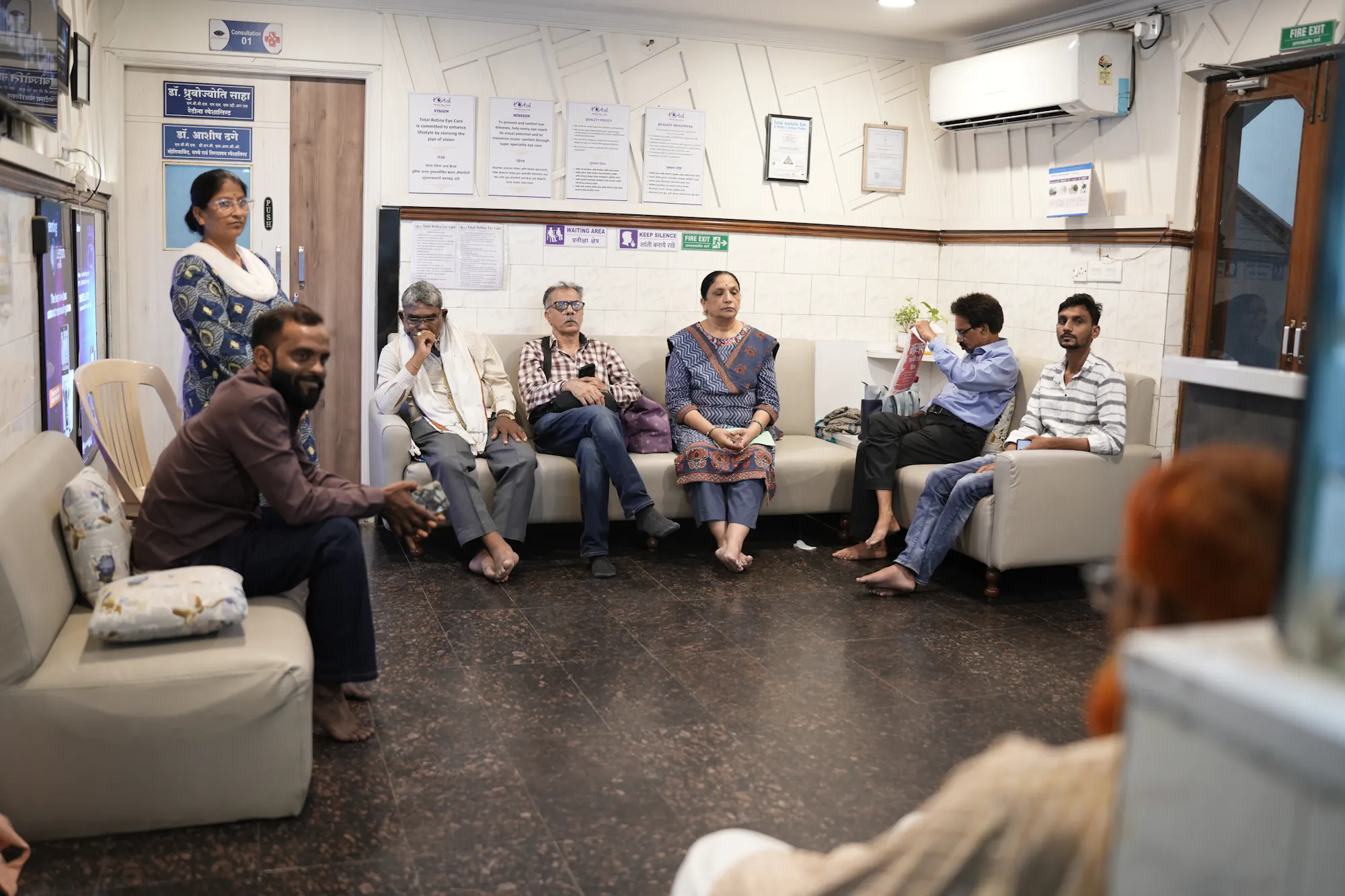
What this service covers
Our paediatric eye care services focus on the early diagnosis and treatment of childhood cataract, squint (strabismus), and amblyopia (lazy eye). We provide comprehensive eye examinations, advanced surgical care when needed, and personalized treatment plans to support healthy vision and visual development in children.
This service helps parents understand cataract, squint, and lazy-eye risk in children, with guidance they can use at home.
Bring old prescriptions, school vision notes, and any photos showing the eye turn.

Symptoms
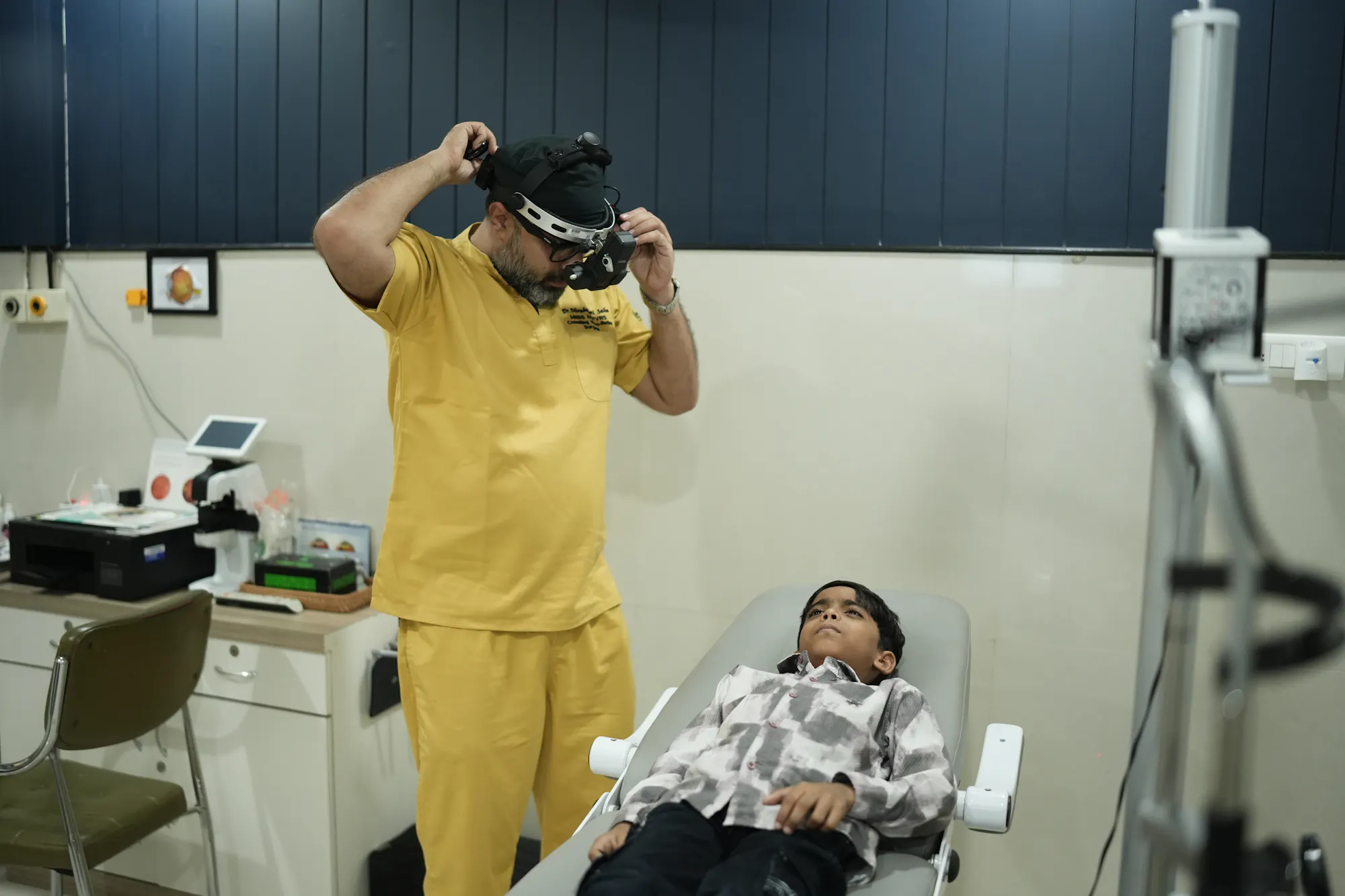
If your child has an eye that turns inward or outward, a cloudy pupil, frequent head tilting, or difficulty with reading or judging distance, an early eye examination can help protect their vision.
6
Symptoms Listed
CMS
Prismic Driven
Live
Published Content

Why Choose Us
Child-friendly eye care with specialist evaluation, clear guidance for parents, and personalized treatment for paediatric cataract, squint, and vision development.
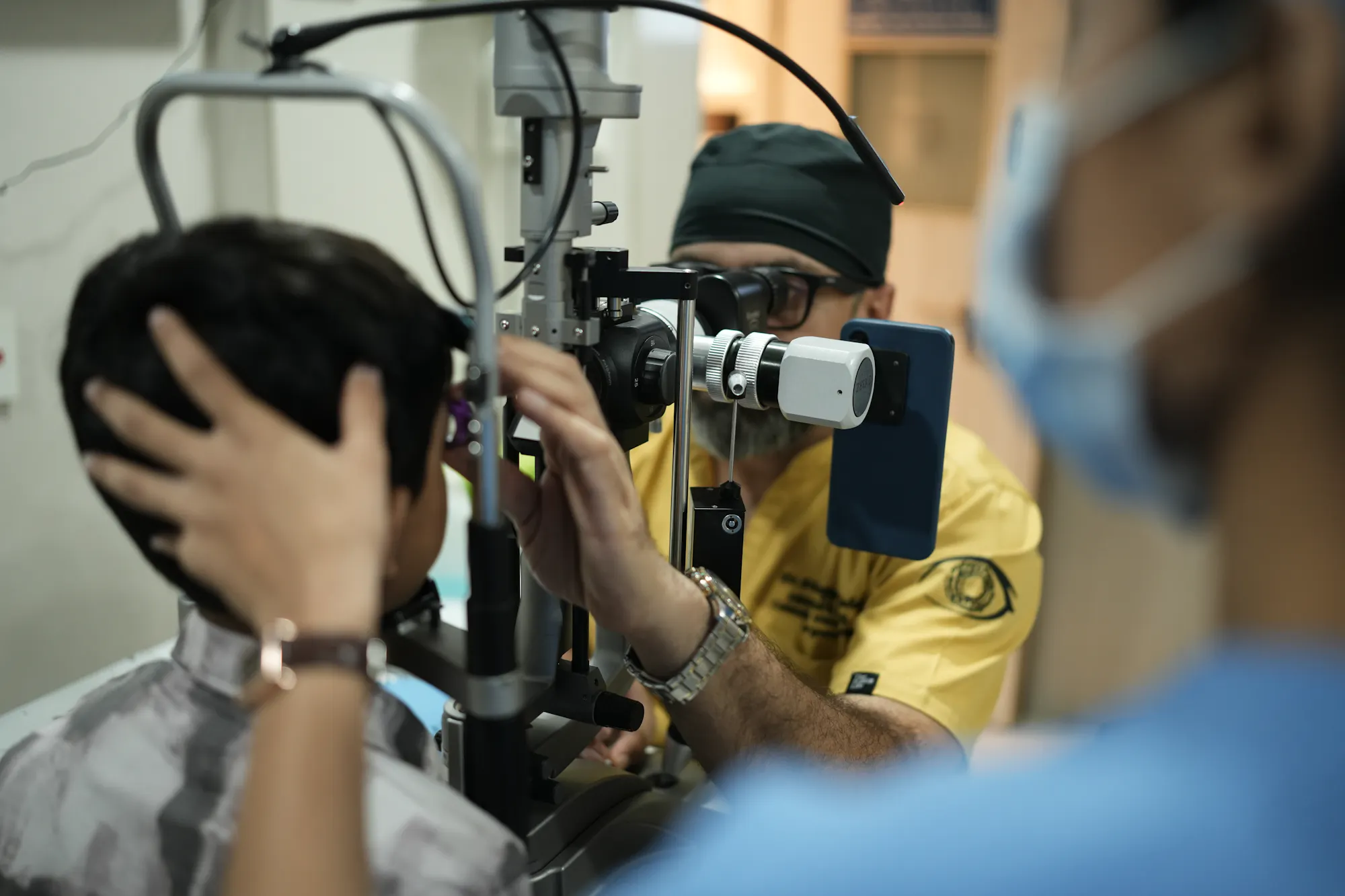
Comprehensive eye examinations are performed in a calm, child-friendly environment to assess your child's vision and eye health.
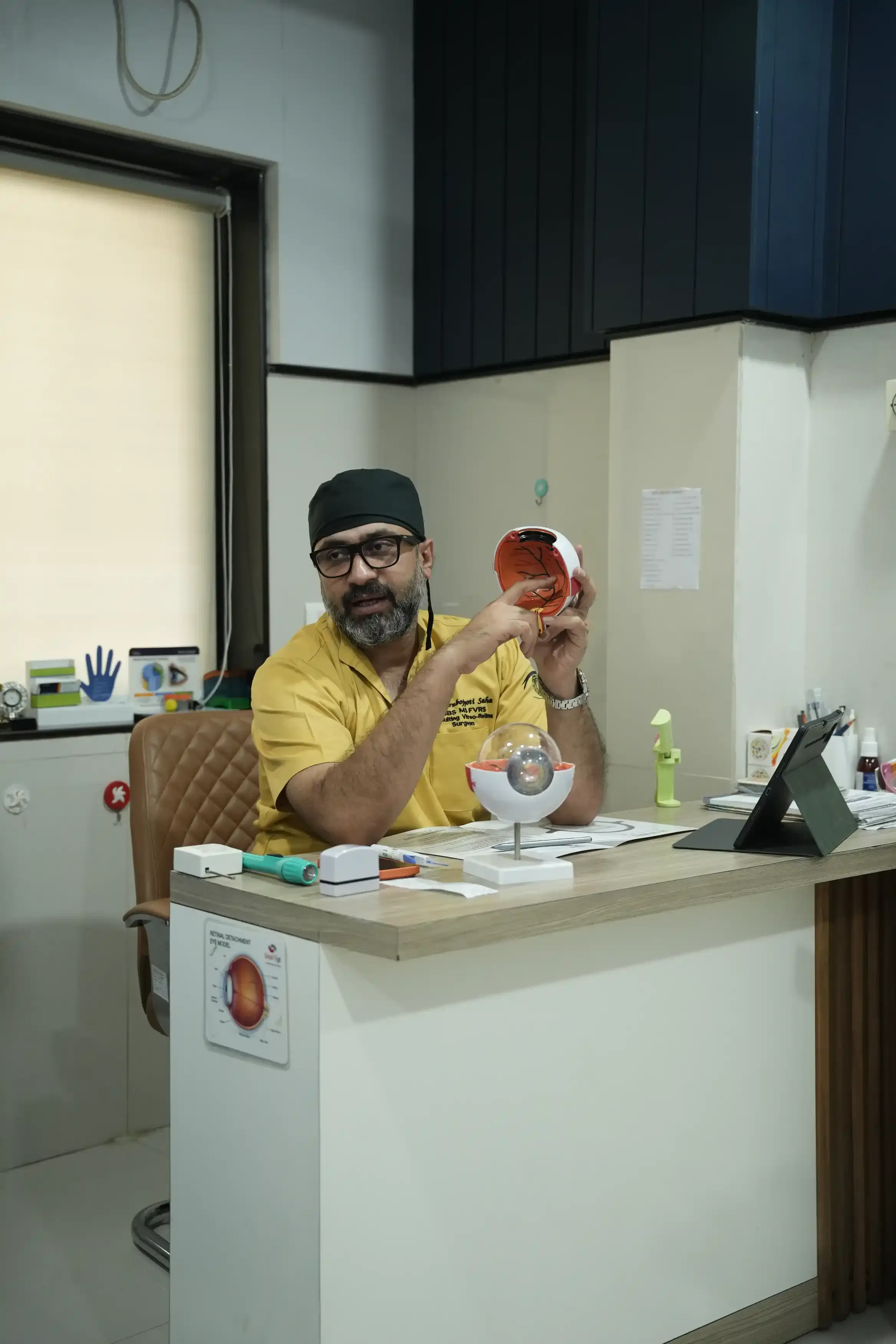
The eye lens is carefully examined to detect congenital or developmental cataracts that may affect vision.
Eye alignment, movement, and binocular vision are assessed to diagnose and plan treatment for squint.
Vision is tested to identify lazy eye early and begin treatment while visual development is still improving.
Parents receive clear explanations about the diagnosis, treatment options, home care, and follow-up schedule.
A personalized treatment plan is provided, including glasses, patching, surgery, or follow-up visits when needed.

FAQ Section
Quick answers about squint, pediatric cataract, lazy eye, and child-friendly follow-up.
Squint means the eyes are not aligned properly. One eye may turn in, out, up, or down.
Yes. If one eye is not used well by the brain, amblyopia or lazy eye can develop.
Yes. Cataracts can happen in children, and larger cataracts can block clear vision development.
Come in if you notice an eye turn, cloudy pupil, head tilt, poor depth judgment, or reading difficulty.
Some children do. Glasses may be part of treatment for squint, lazy eye, or focusing problems.
No. Some children need glasses, patching, or monitoring, while others may need surgery.
Children's vision is still developing, so early care can help reduce long-term vision problems.
Yes. Photos can help show when and how often the eye turns.
A specialist consultation can make the care path easier to understand and help you decide what needs attention now.
Book Consultation