About Cornea & Refractive Care
Cornea and refractive care focuses on the eye's clear front surface and how it bends light. The goal is to check whether LASIK or another option is the safer, better choice.
If glasses feel less helpful, contact lenses are bothering you, or glare and blur are getting in the way, a refractive review can help.
If you are checking LASIK, bring your current prescription and any old eye reports.
Symptoms
If you're experiencing blurred vision, eye redness, pain, glare, light sensitivity, or frequent changes in your glasses, it's time for a comprehensive eye examination.
6
Symptoms Listed
CMS
Prismic Driven
Live
Published Content

Why Choose Us
Experienced specialists, advanced technology, and personalized treatment for every patient.
Expert diagnosis and treatment for corneal diseases and vision problems.
We assess whether LASIK is the right and safe option for your eyes.
Advanced diagnostic equipment for accurate eye examination and treatment.
Every treatment plan is tailored to your eye condition and vision needs.
Complete evaluation and treatment planning for corneal conditions
Regular follow-up care to protect your vision and ensure the best outcomes.

FAQs
Quick answers for people comparing laser vision correction with glasses or contact lenses.
People with a stable prescription, healthy corneas, and enough corneal thickness may be candidates, but only an exam can confirm that.
Dry eye does not always rule it out, but it matters a lot. The team needs to check how dry the eyes are before recommending surgery.
Yes. LASIK reshapes the cornea so light focuses better on the retina and vision may become less dependent on glasses or contacts.
Other options may be better, including PRK or staying with glasses or contact lenses. The right answer depends on the eye.
Dryness, temporary blur, glare, and discomfort are among the known risks. Your doctor should go through them before treatment.
A refractive exam usually checks your prescription, cornea, eye surface, and whether the vision has stayed stable enough.
Often yes, because lenses can change the shape of the cornea for a while. The clinic will tell you how long to stop them before testing.
Maybe for some tasks. Many people need less dependence on glasses, but not everyone gets rid of them completely.
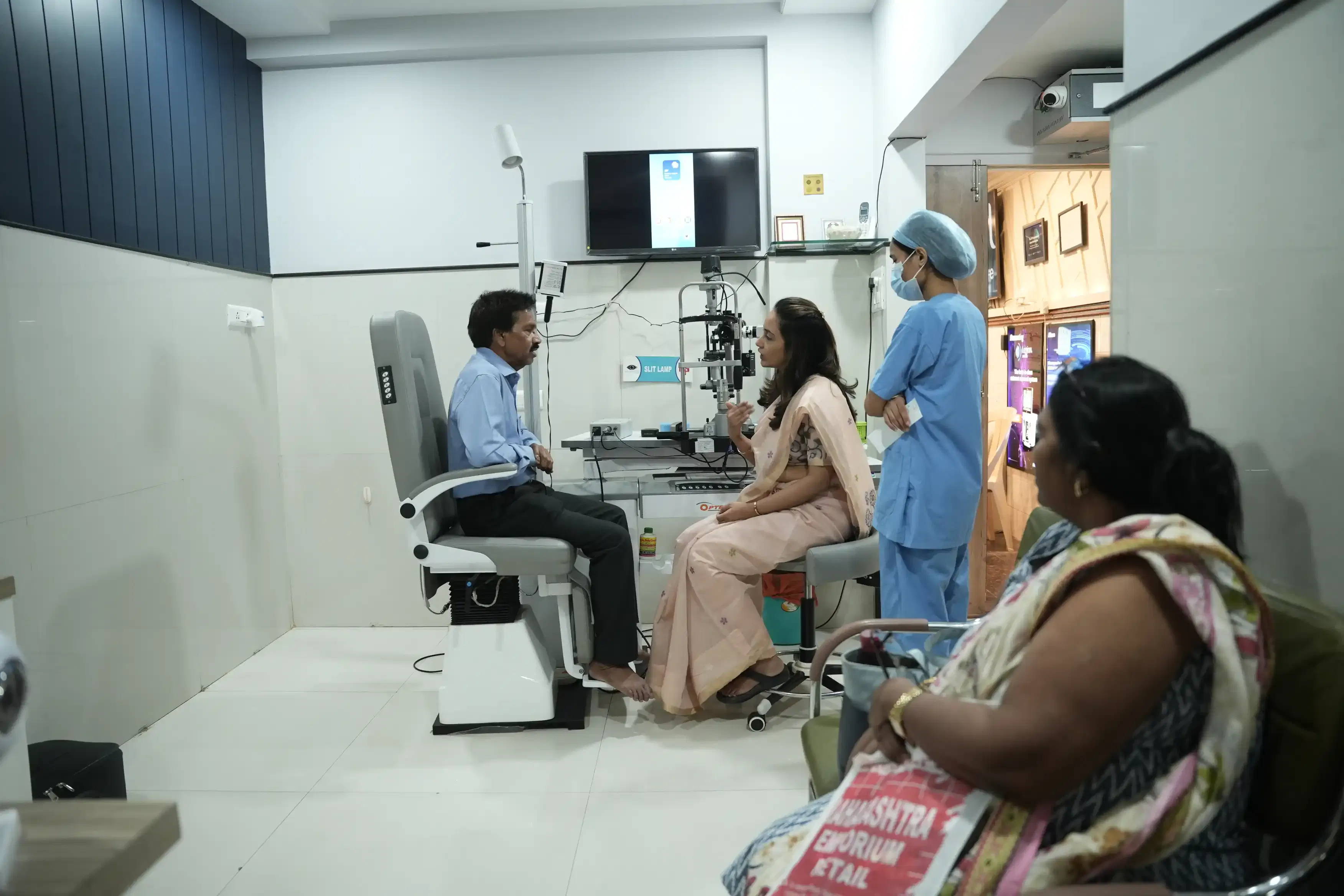
Our eye specialists will examine your eyes, explain the findings clearly, and recommend the most suitable treatment for your vision.
Book Consultation