What this service covers
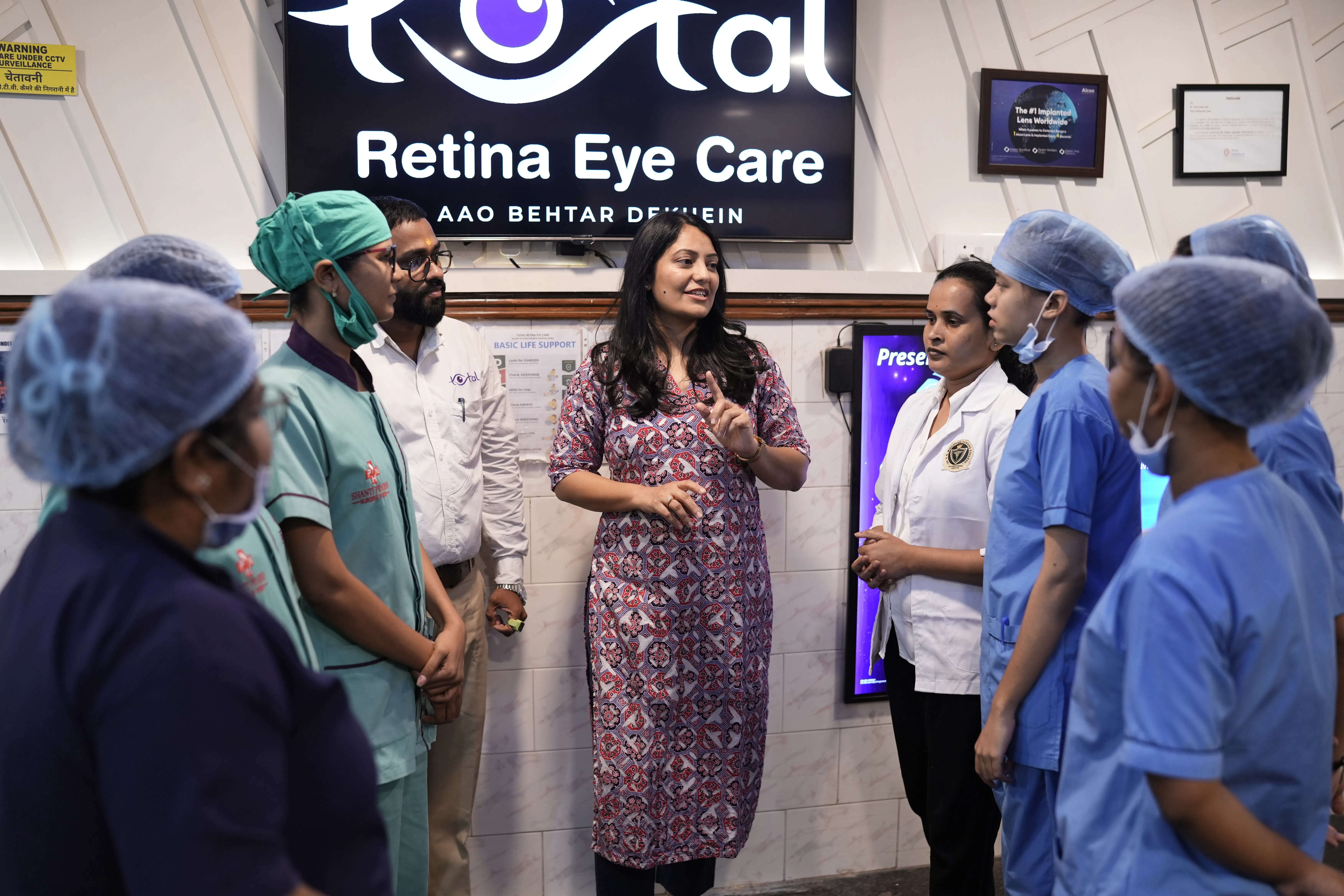
Glaucoma services focus on detecting, monitoring, and treating glaucoma to prevent permanent vision loss. Regular screening and timely treatment help protect the optic nerve and maintain healthy vision.
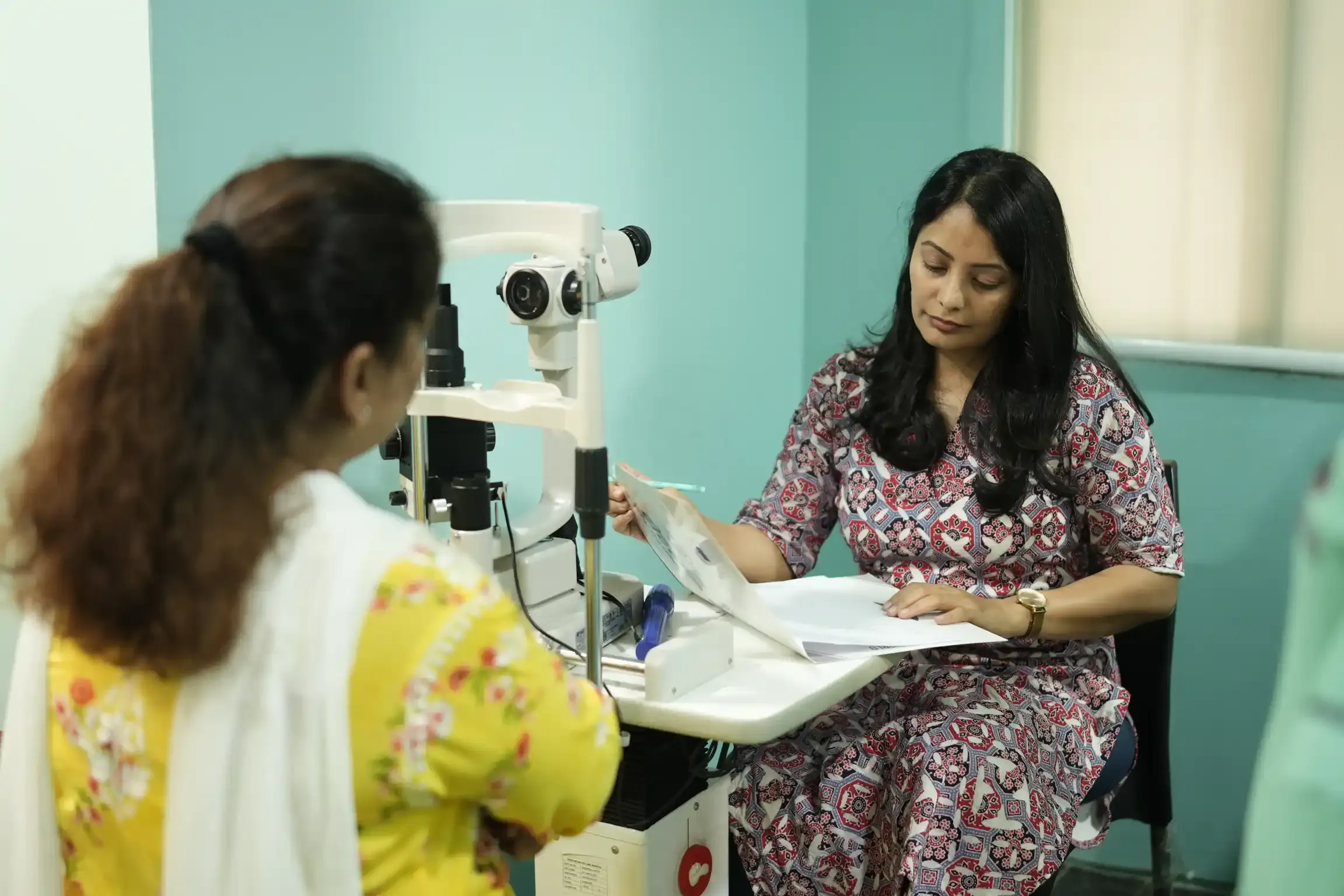
Our glaucoma specialists use advanced diagnostic technology to identify glaucoma at an early stage and provide personalized treatment plans, including medications, laser procedures, or surgery based on your condition.
Bring old pressure readings, field tests, OCT scans, and any glaucoma drops you use.
Symptoms
Glaucoma often develops without noticeable symptoms in its early stages. If you have high eye pressure, a family history of glaucoma, or changes in your vision, an eye examination can help detect the condition early and protect your sight.
6
Symptoms Listed
CMS
Prismic Driven
Live
Published Content

Why Choose Us
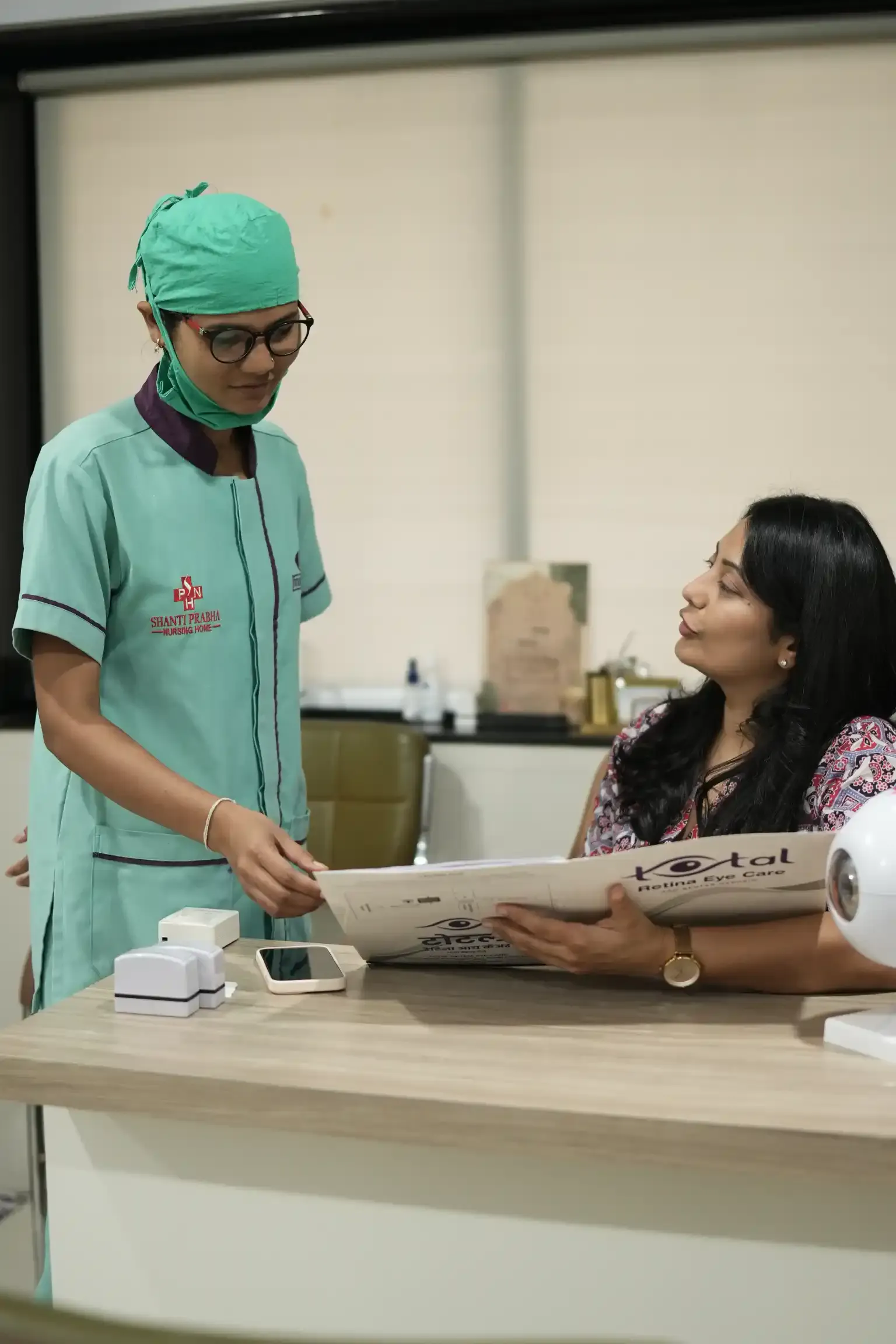
Specialist-led care, clear explanation, and practical follow-up for the condition you came to check.
Eye pressure is checked along with the optic nerve, where glaucoma damage happens.
Visual field testing helps detect side vision loss caused by glaucoma.
Family history, age, eye pressure, and previous reports are reviewed together.
Personalized treatment may include eye drops, laser therapy, surgery, or regular monitoring.
Regular review helps track pressure, vision, and optic nerve changes over time.
The team explains what to watch for at home.

FAQ Section
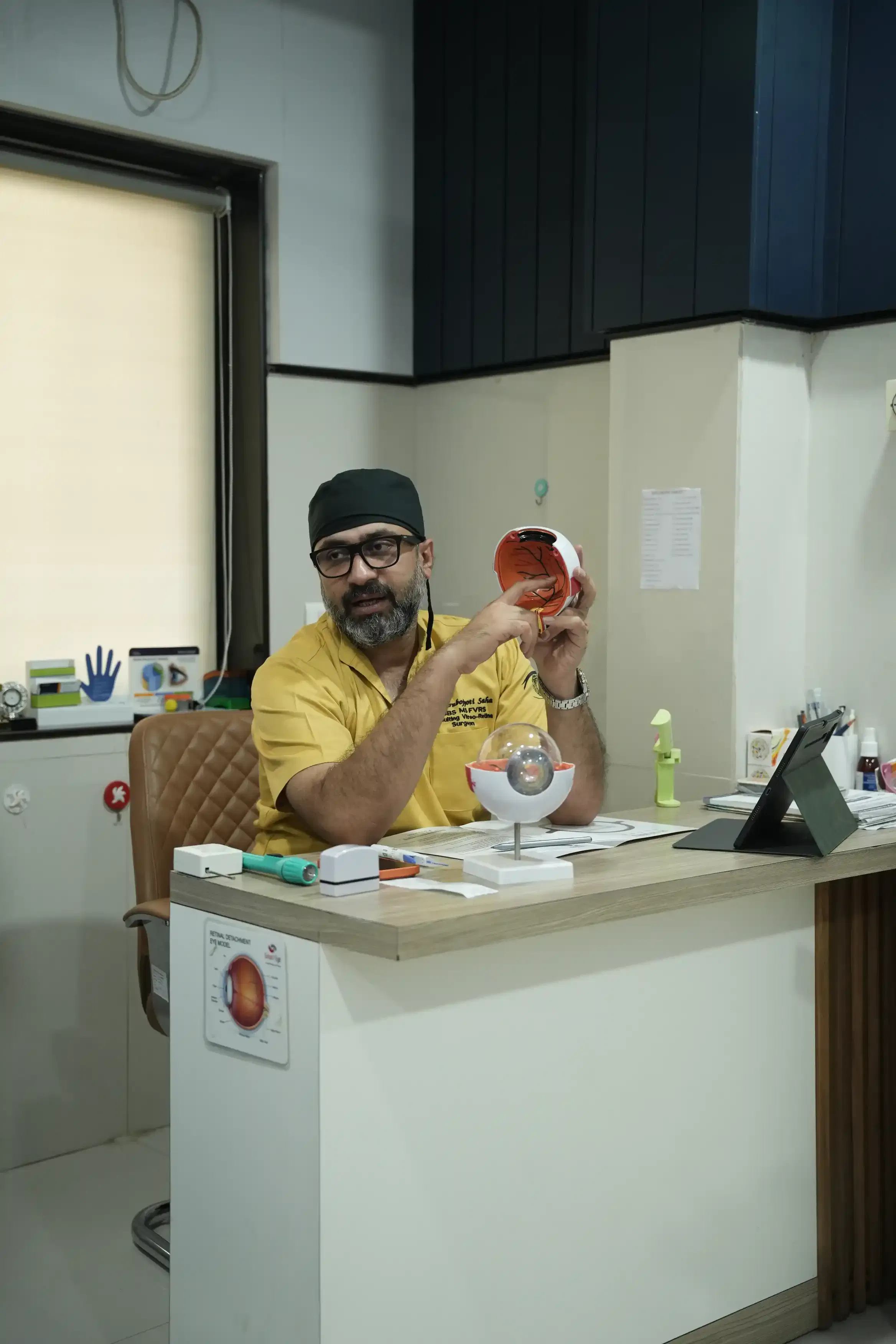
Quick answers for patients checking eye pressure, optic nerve health, or side-vision changes.
Yes. Many people have no early symptoms, which is why pressure checks and optic nerve exams matter.
Glaucoma vision loss usually cannot be reversed. Treatment aims to slow or prevent further damage.
The doctor may check eye pressure, examine the optic nerve, test side vision, and review scans such as OCT.
Many patients use drops to lower eye pressure, but the plan depends on the findings and risk level.
Laser can help some types of glaucoma by improving fluid drainage and lowering eye pressure.
Surgery may be discussed when drops or laser are not enough, or when pressure needs stronger control.
It depends on pressure, optic nerve changes, and risk. Some patients need closer review than others.
Yes. Family history can increase risk, so relatives may benefit from regular eye exams.
A specialist consultation can make the care path easier to understand and help you decide what needs attention now.
Book Consultation