What this service covers
This service covers low-vision aids and contact lens support. The specialist helps choose practical tools, checks fit and comfort, and explains how to use them safely.
This service supports people who need better ways to use remaining vision or need contact lenses fitted with care.
Bring your current glasses, contact lenses, and any low-vision aids you already use.
Symptoms
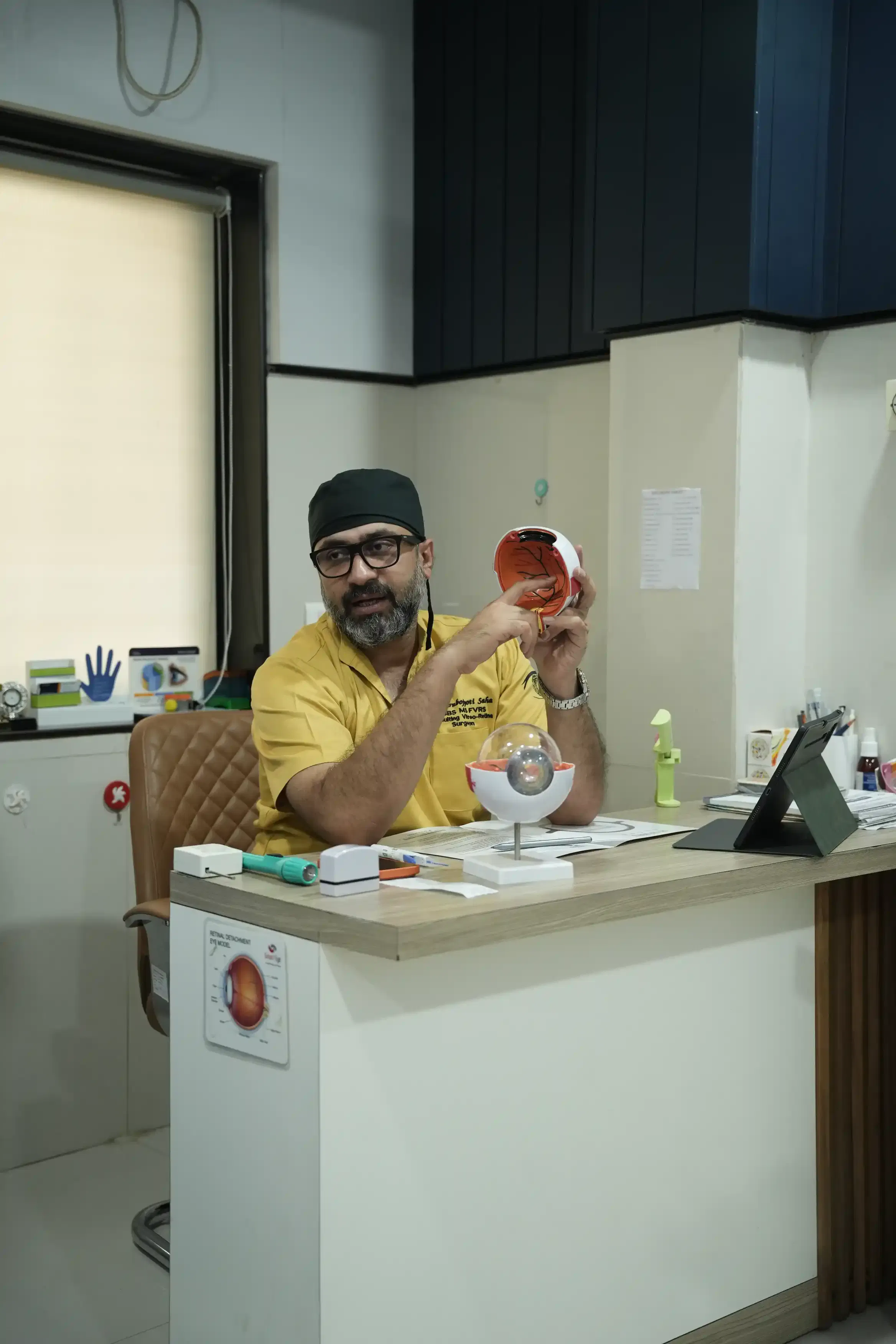
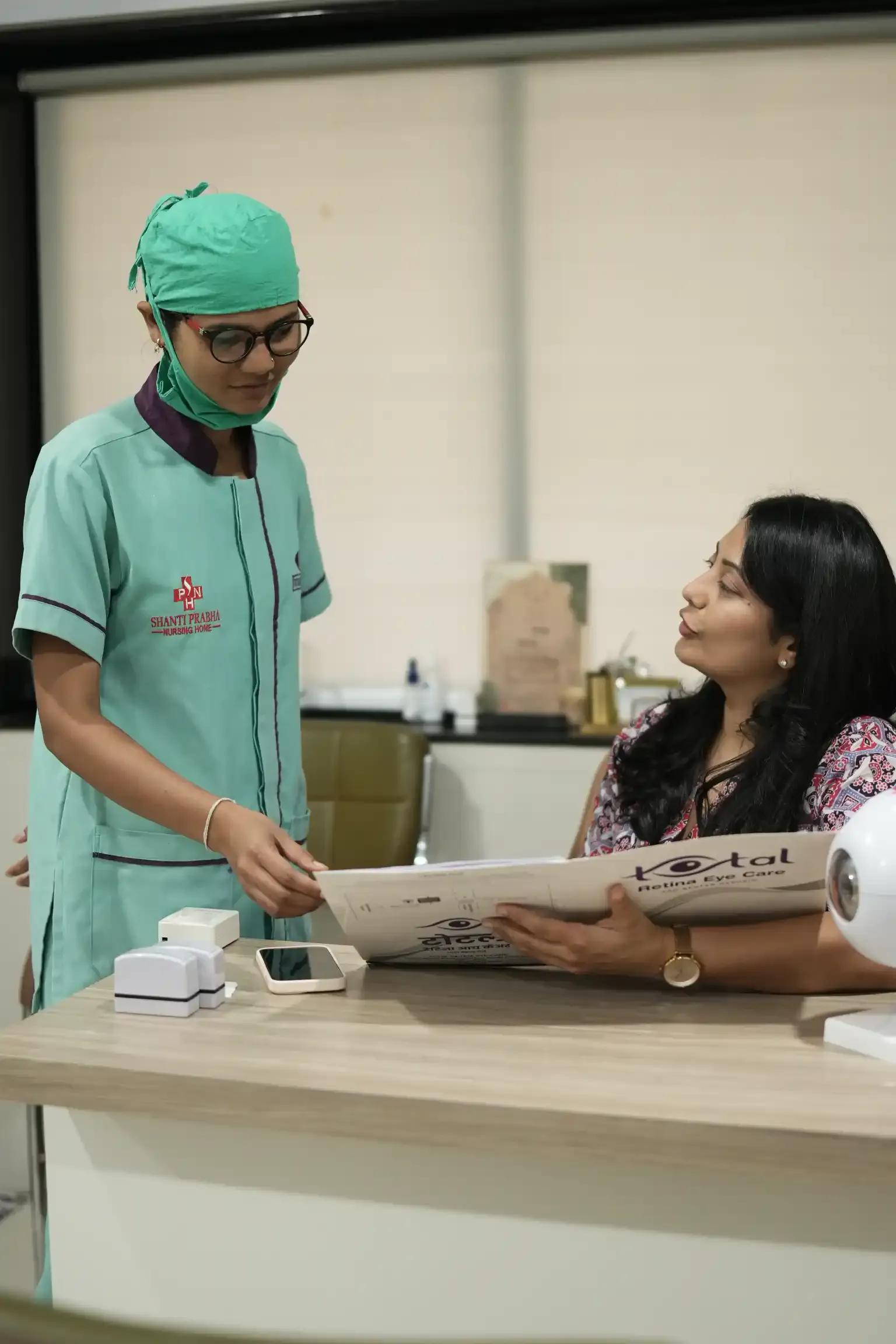
If reading is harder, vision feels reduced, or contact lenses are uncomfortable, the low-vision and lens team can help.
6
Symptoms Listed
CMS
Prismic Driven
Live
Published Content
Why Choose Us
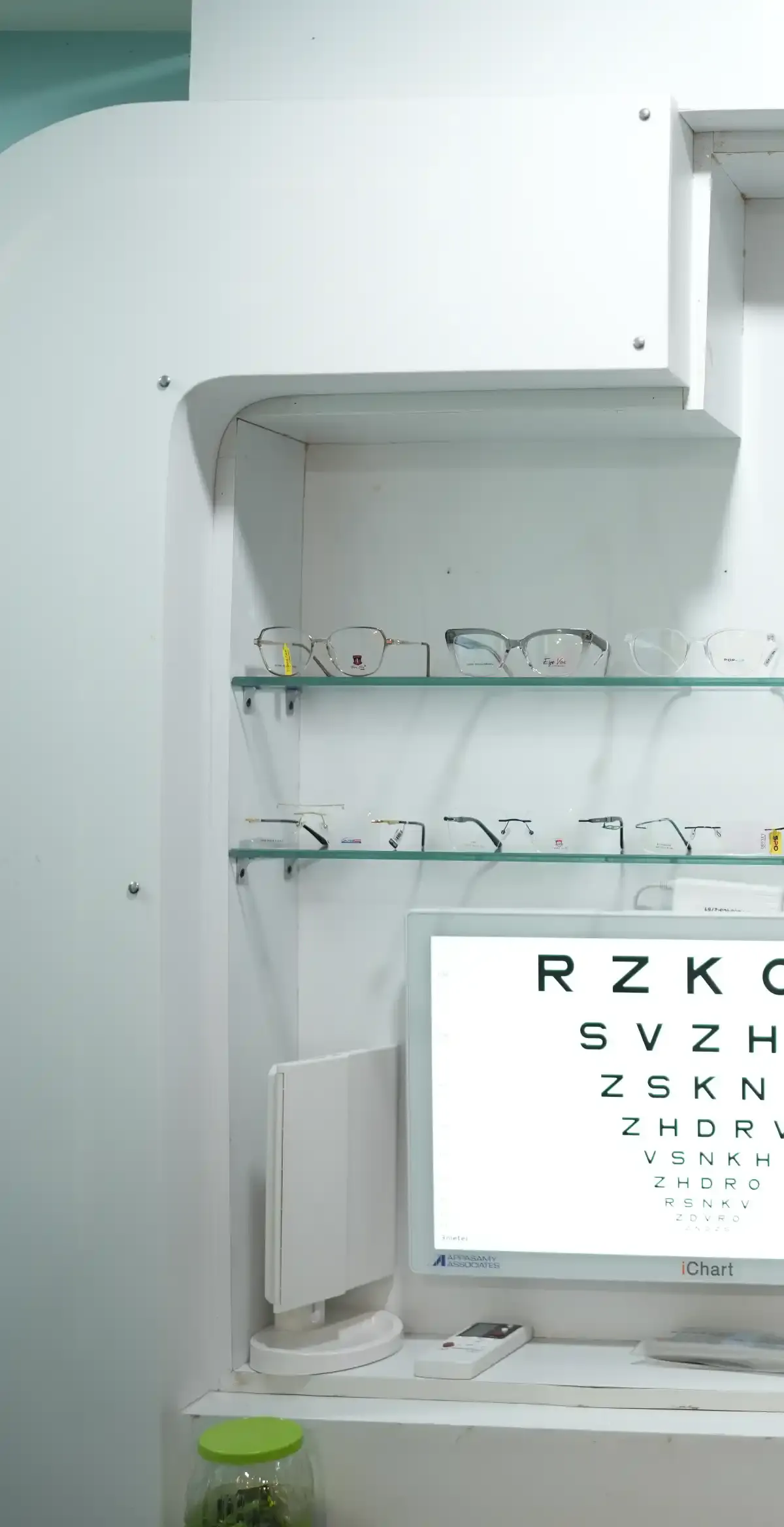
Specialist-led care, clear explanation, and practical follow-up for the condition you came to check.
The specialist checks what daily tasks are difficult and what support may help.
Magnifiers, brighter lighting, filters, or other aids are discussed when useful.
Lens choice is guided by comfort, eye surface health, and visual need.
Patients are shown how to use the aid or lens safely and practically.
The fit, comfort, and day-to-day benefit are reviewed after use.
The team shows how to use the aid safely.
FAQ Section
Quick answers for patients who need reading support, magnification, or contact lens guidance.
Low vision means vision loss that regular glasses, medicine, or surgery cannot fully correct.
Yes. Magnifiers, lighting changes, filters, and digital tools can make daily tasks easier for many people.
No. They help you use remaining vision better, but they do not cure the underlying eye condition.
Bring current glasses, reports, contact lenses, and examples of tasks you find difficult, such as reading labels.
Sometimes. Certain lenses can help selected patients, depending on cornea shape, comfort, and eye health.
The fit, dryness, lens type, and wearing routine can be reviewed to find a safer or more comfortable plan.
Often yes. A low-vision aid works best when you learn how and when to use it.
Yes. Follow-up helps check whether the aid or lens is useful, comfortable, and safe to continue.
A specialist consultation can help you choose practical tools and decide whether lens support is a good fit.
Book Consultation