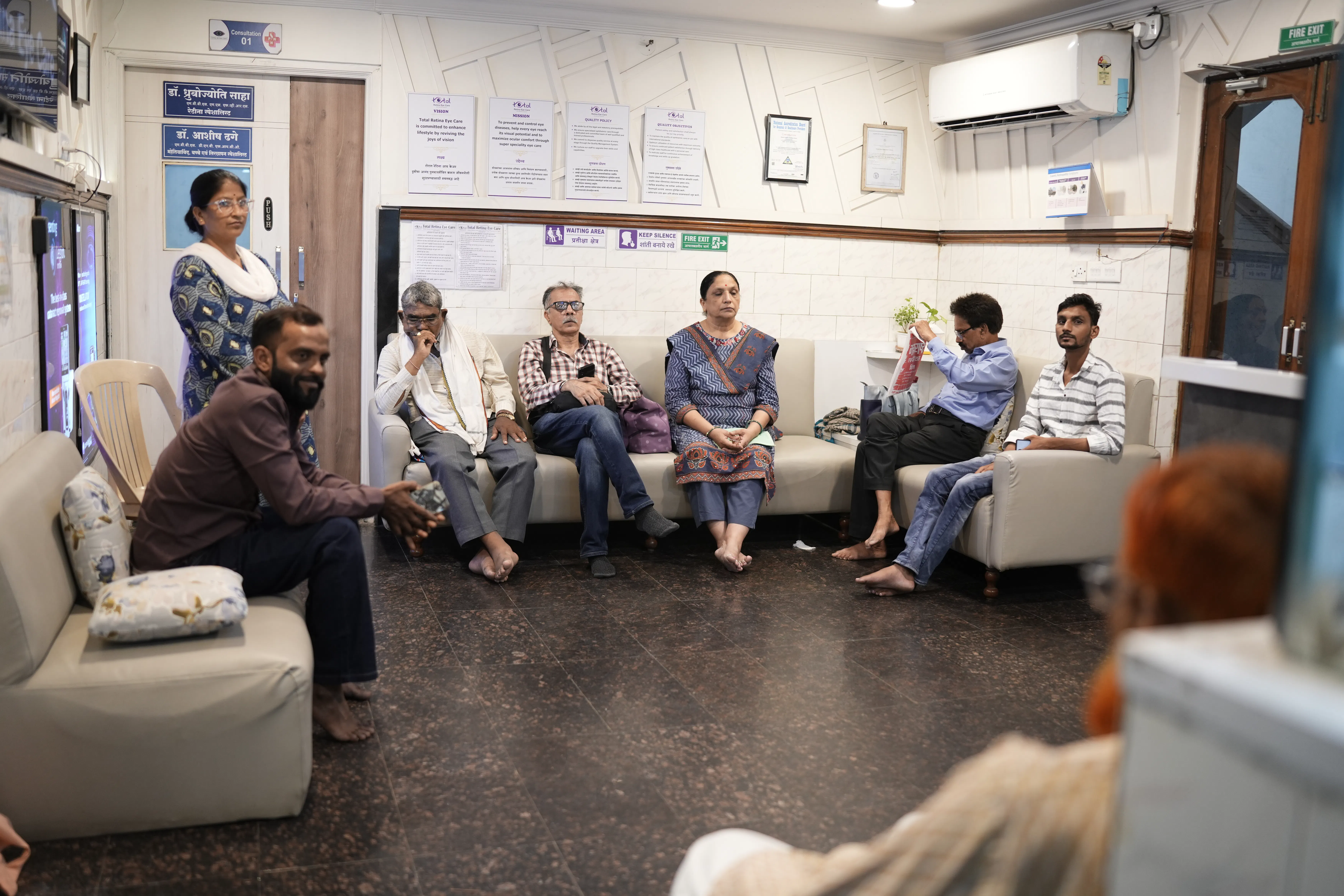
About Cataract & Vision Correction
Cataracts can make your vision cloudy and affect daily activities like reading and driving. Our specialists provide comprehensive eye examinations and recommend the most suitable treatment, including advanced lens implantation, based on your eye condition and lifestyle.
Bring your current prescription and any old eye reports if you have them.
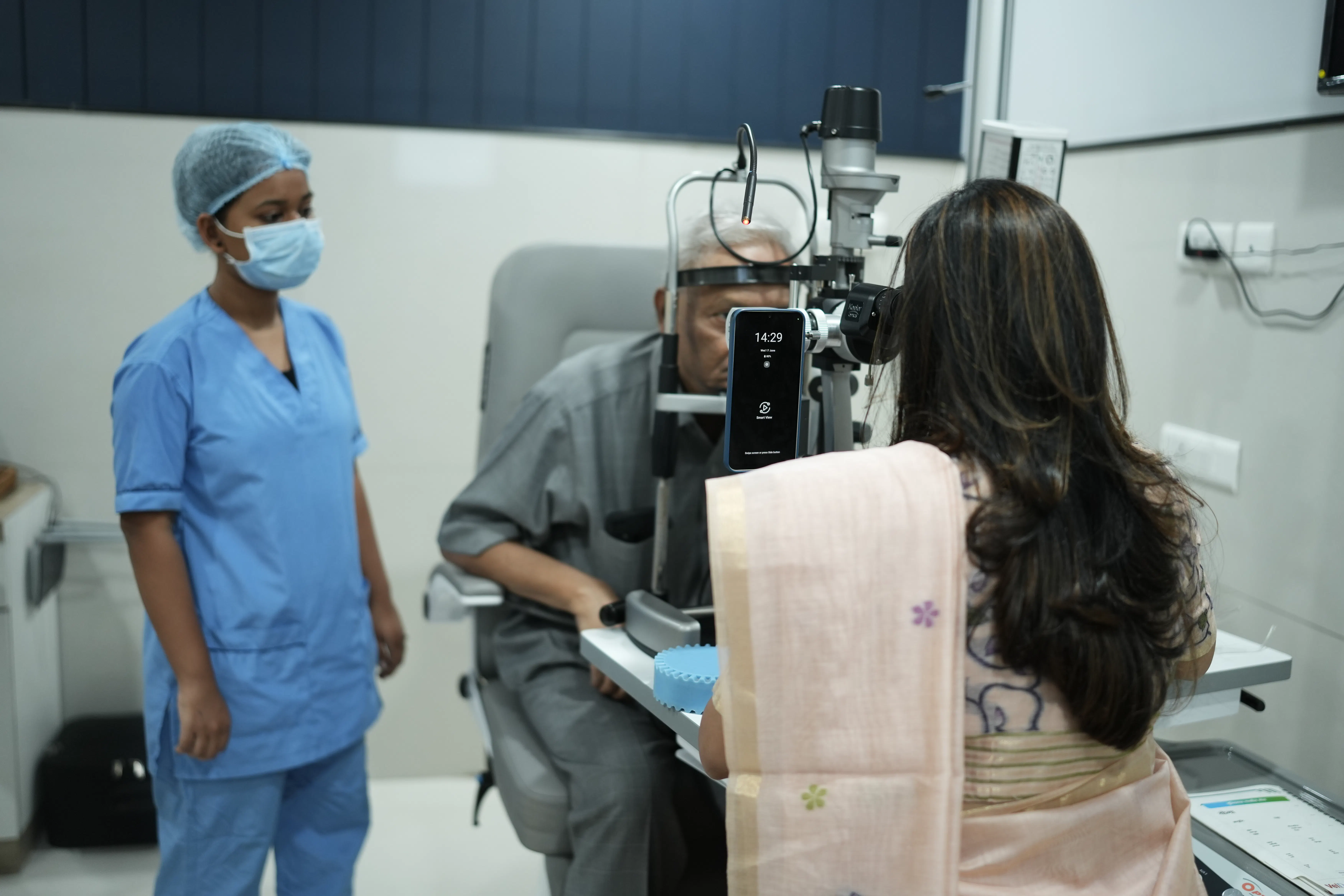

Symptoms
If vision is getting cloudy, glare has become stronger, or night driving feels harder, a cataract and lens review can help.
6
Symptoms Listed
CMS
Prismic Driven
Live
Published Content

Why Choose Us
Comprehensive cataract evaluation, advanced treatment options, and personalized care for better vision.
Expert diagnosis and treatment for cataracts and vision problems.
Modern equipment for accurate diagnosis and safe treatment.
The right lens is recommended based on your eye condition and lifestyle.
Patient comfort and safety remain our priority throughout treatment.
Every treatment option is explained in simple, easy-to-understand language.
Regular follow-up helps ensure smooth recovery and better visual outcomes.

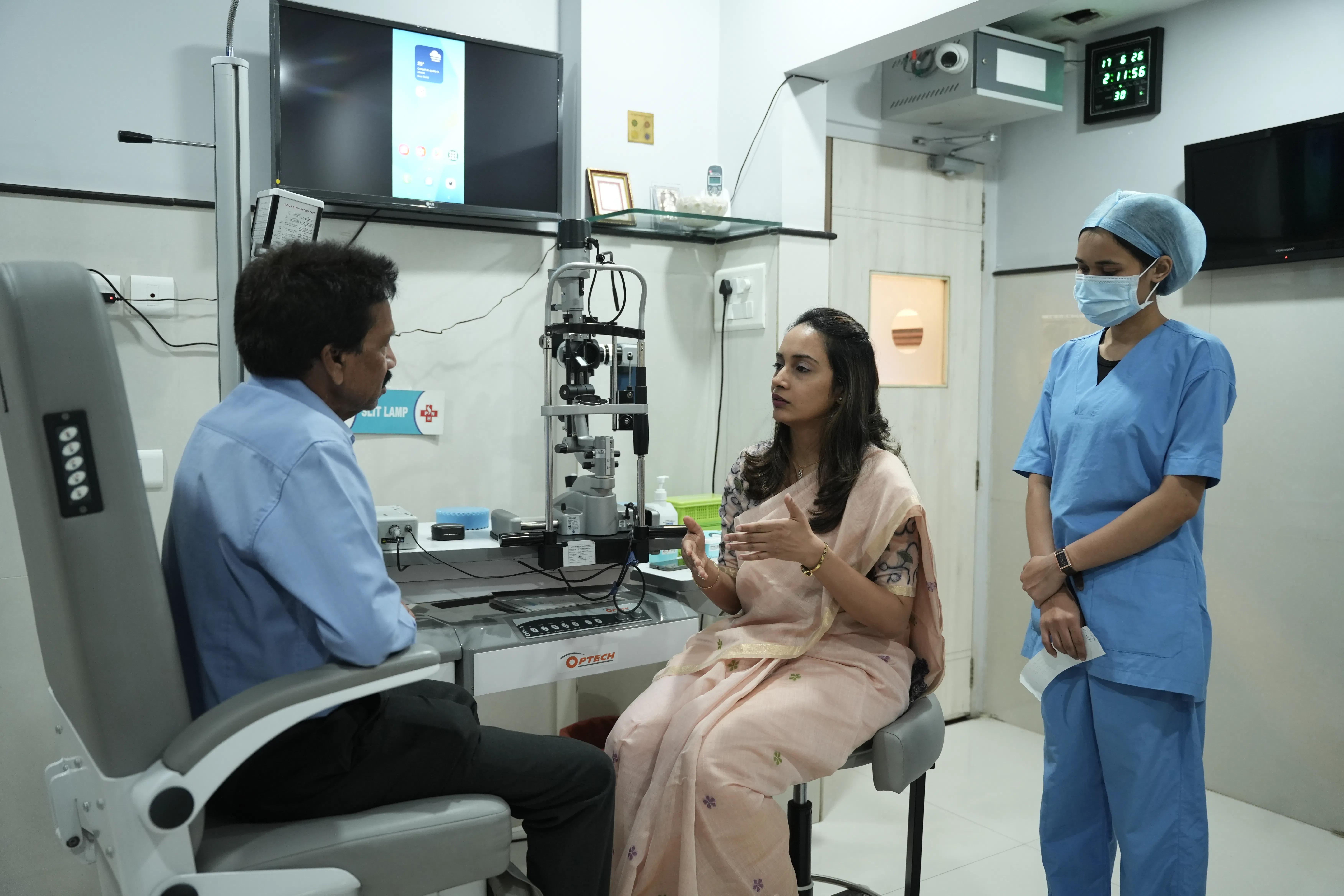
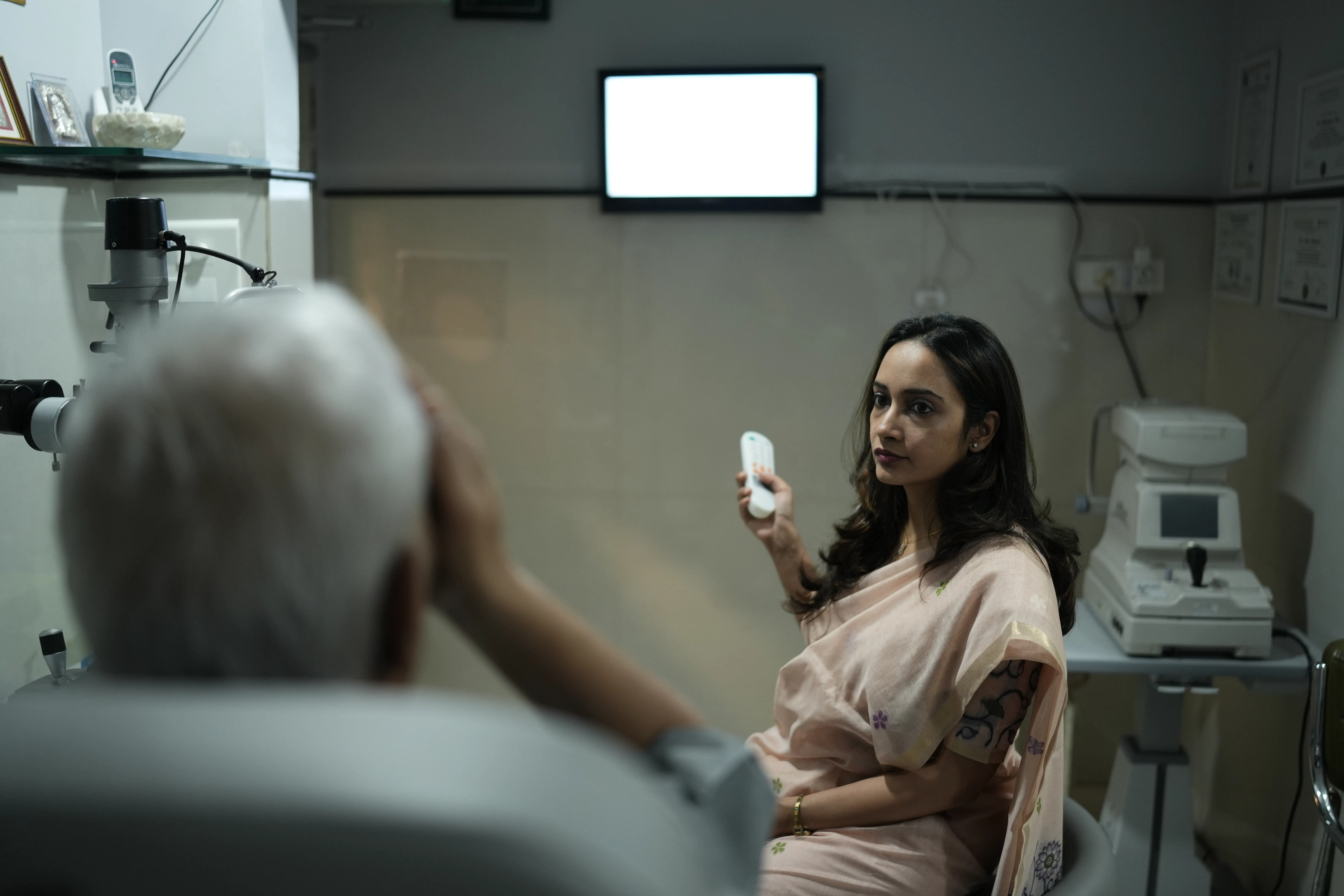
FAQs
Quick answers for people comparing cataract surgery, IOLs, and implantable lens options.
An IOL is an artificial lens placed in the eye after the cloudy cataract lens is removed during surgery.
Yes. Surgery is the standard way to remove a cataract, and the cloudy lens is replaced with an intraocular lens.
Often yes, depending on the lens power and your eyes. Some people still need glasses for certain tasks.
Cataract surgery usually takes 15–30 minutes for one eye. It is generally a day-care procedure, so most patients can go home the same day.
People whose cataract is starting to affect reading, driving, TV, or other daily tasks may be advised to consider surgery.
The choice depends on the eye measurements, your prescription, and the vision you want after treatment.
Most patients can resume light daily activities within 1–2 days. Your doctor will advise when it is safe to return to work, drive, or perform strenuous activities.
It depends on the type of lens implanted and your eye condition. Some patients still need glasses for certain activities, while others have much less dependence on them.
Our specialists will examine your eyes, explain the available treatment options, and help you choose the approach that's best for your vision and lifestyle.
Book Consultation